Sourcing for Agility: Turn factory floor speed into competitive advantage
For decades, the fashion playbook followed a predictable, brute-force formula: place massive minimum order quantities (MOQs) nine months in advance, squeeze factory floor margins to the bone, and pray that seasonal forecasts matched consumer appetite.
That playbook is officially obsolete.
Between macro supply-chain volatility, near-instant trend cycles sparked by algorithmic feeds, and tightening regulatory pressure around deadstock and environmental accountability, high-volume speculation has become an existential liability. For founders, production directors, and brand heads navigating today’s fashion landscape, survival is no longer about who commands the largest factory runs. It belongs to whoever builds the fastest, most resilient feedback loop between design studio and production floor.
The Death of Overproduction
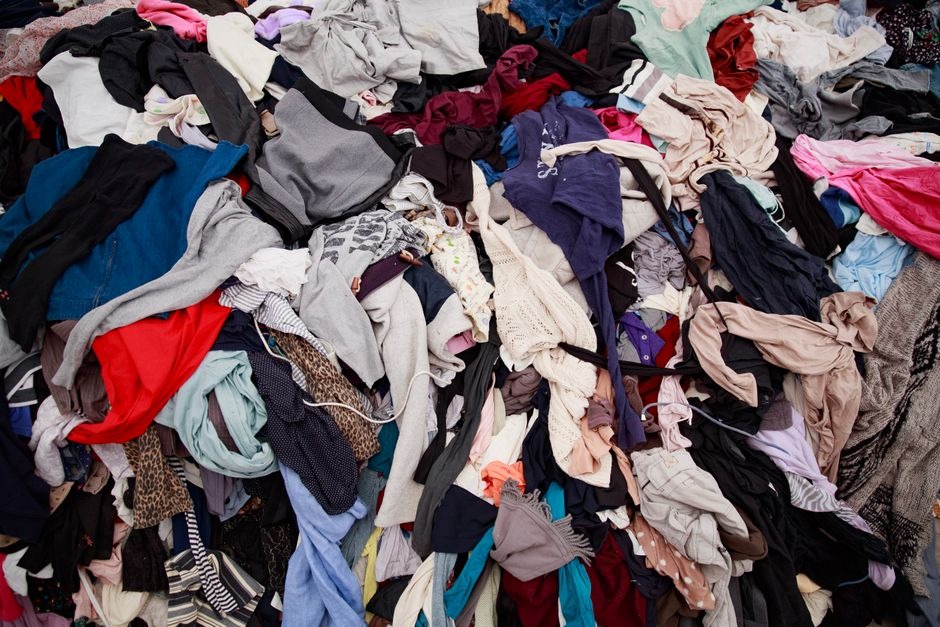
Fashion’s dirty secret has always been its margin of error: produce 30% more than needed to hit bulk pricing tiers, discount half of it by week eight, and quietly write off the rest.
Today, that margin is eroding from both sides:
- Margin Compression: Escalating freight rates, shifting tariffs, and surging raw material costs mean holding unsold inventory ties up working capital that emerging and mid-market labels simply cannot afford to freeze.
- The Legislative Squeeze: Mandates like the EU’s Corporate Sustainability Due Diligence Directive (CSDDD) and escalating anti-destruction textile bans mean unsold inventory is shifting from an accounting write-off to an active legal and compliance liability.
- Consumer Cynicism: A 22-year-old streetwear enthusiast and a 45-year-old luxury minimalist share one clear instinct: they spot artificial scarcity and low-quality markdowns immediately.
When your bottom line depends on seasonal fire sales, you aren't running an apparel brand—you are managing a discount warehouse with good branding.
Small-Batch Sourcing Meets Technical Precision
The solution is not abandoning offshore manufacturing; it is reimagining how brands interface with sourcing hubs across Asia. Forward-looking labels are turning to agile, modular supply networks across manufacturing centers like Taiwan, Vietnam, and Southern China.
The competitive edge today relies on three core operational pillars:
| Strategic Pillar | Traditional Approach | Agile Manufacturing Model |
|---|---|---|
| Prototyping & Sampling | Multi-week physical back-and-forth | 3D garment rendering (CLO3D, Substance) + rapid block pattern adjustments |
| Batch Sizing | Rigid, multi-thousand MOQs | Tiered trial runs (150–500 units) with rapid replenishment triggers |
| Fabric Sourcing | Speculative custom milling | Curated deadstock, circular textiles (e.g., coffee-ground blends), and functional technical knits |
| Quality Oversight | End-of-line third-party audits | Embedded on-the-ground technical agents running continuous in-line QA |
When your brand operates on precision pattern blocks and verified factory partnerships, you compress sample development from six weeks into six days. That speed allows you to test small capsules, validate product-market fit in real time, and scale only what the market actively buys.
The New Moat: On-the-Ground Intelligence
In an era where design silhouettes spread across digital feeds within hours, design alone is rarely defensible. Your actual competitive moat is your supply chain architecture.
Can your production line pivot if a fabric blend faces export delays? Do you have verified eyes and ears on the ground to catch a tension flaw in your denim rinse before 5,000 units are boxed for air freight? Can you source functional, sustainable textiles without blowing your bill of materials?
The fashion labels thriving right now aren't chasing the cheapest single unit price. They are building tight, transparent, end-to-end sourcing partnerships that turn supply chain agility into a creative superpower.
Tags: Fashion Supply Chain Agile Sourcing Minimum Order Quantities Apparel Manufacturing Sustainable Fashion Small-Batch Production Technical Textiles Inventory Management 3D Garment Sampling Quality Assurance Nearshoring and Reshoring Circular Textiles Fashion Business Brand Strategy Supply Chain Resilience